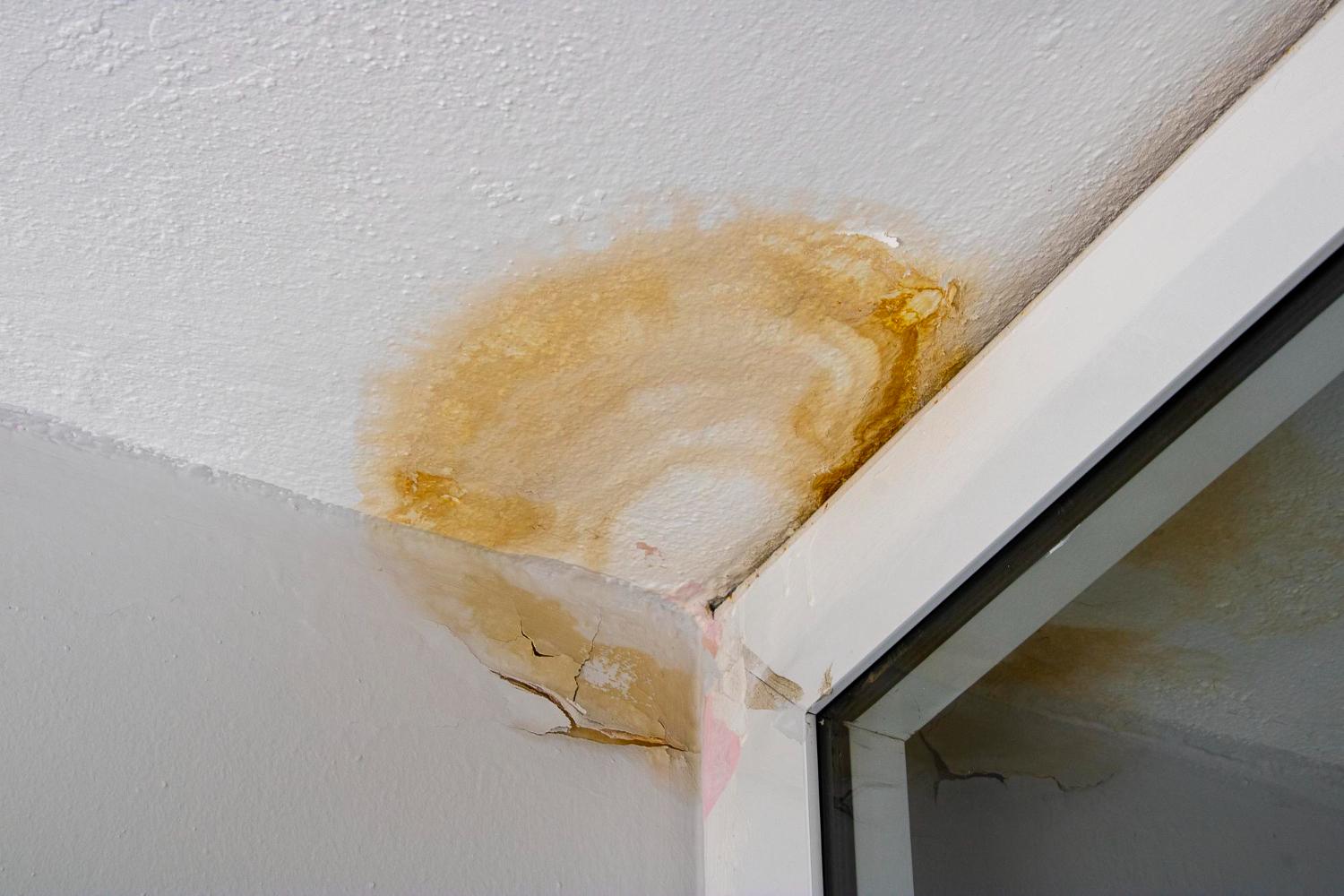
 After a night of heavy rain and strong winds, many Long Island homeowners step outside to look for fallen branches, damaged siding, or missing roof shingles.
But what about the inside of the house?
Storm-related damage is not always immediately visible. Water may enter through vulnerable areas around roofing, windows, doors, or exterior walls, sometimes leaving subtle signs that are easy to overlook.
For homeowners in Nassau and Suffolk County, knowing what to check inside the home after severe weather can help identify potential moisture problems and determine when professional attention may be needed.
The goal is not to diagnose every stain or attempt repairs yourself. It is to recognize changes, document concerns, and take appropriate next steps.
Quick Answer: What Should You Check Inside Your Home After Heavy Rain?
After heavy rain and strong winds, check accessible ceilings, walls, windows, doors, floors, and basement areas for new stains, dampness, peeling paint, or unusual odors.
Look for changes that appeared after the storm, but avoid unsafe attics, damaged structures, and areas with possible electrical hazards.
Document any concerns and seek professional help when needed.
1. Before You Check Anything, Make Sure Your Home Is Safe
Before inspecting your home, make sure the areas you plan to enter are safe.
Severe weather can create hazards that are not immediately obvious, especially when water has entered the building.
When Should You Avoid Entering an Area?
Do not enter an area if you notice:
- Standing water near outlets, electrical equipment, or appliances
- A sagging ceiling or signs of structural instability
- Exposed or damaged electrical wiring
- Floodwater that may be contaminated
- A damaged staircase, attic access, or another unsafe entry point
If you suspect immediate danger, stay away from the affected area and contact the appropriate emergency service, utility, or qualified professional.
Never touch wet electrical equipment or attempt to inspect a damaged roof yourself.
The Centers for Disease Control and Prevention provides additional safety guidance for homes affected by flooding.
What Can You Check Safely From Accessible Rooms?
If the home is safe to enter, begin with a simple visual inspection.
Walk through accessible rooms and look for changes that were not present before the storm.
You do not need to remove drywall, lift flooring, or enter difficult spaces to perform this initial check.
The purpose is to observe — not to perform a professional damage assessment.
2. Check Ceilings and Upper Walls for New Water Stains
Some of the earliest signs of water damage after heavy rain are subtle changes in ceilings, walls, flooring, or interior trim.
Ceilings and upper walls are especially important to examine in rooms directly below the roof.
Water may enter through damaged roofing materials, flashing, roof penetrations, or other openings.
Look for Discoloration, Bubbling Paint, and Damp Drywall
Look for:
- Yellow or brown stains
- New dark spots or discoloration
- Bubbling or peeling paint
- Damp or softened drywall
- Water dripping from ceilings or upper walls
A small stain may be the first visible indication that moisture has reached an interior surface.
If the stain becomes larger or returns after additional rainfall, it may indicate a recurring moisture problem that needs further investigation.
Does a Ceiling Stain Always Mean the Roof Is Leaking?
No.
It is easy to assume that a stain on the ceiling means the roof is leaking, but the source is not always directly above the stain.
Water can travel along framing or other building materials before becoming visible.
Plumbing leaks, condensation, or other moisture sources can produce similar symptoms.
Identifying the actual source is important before repairing or repainting the affected area. 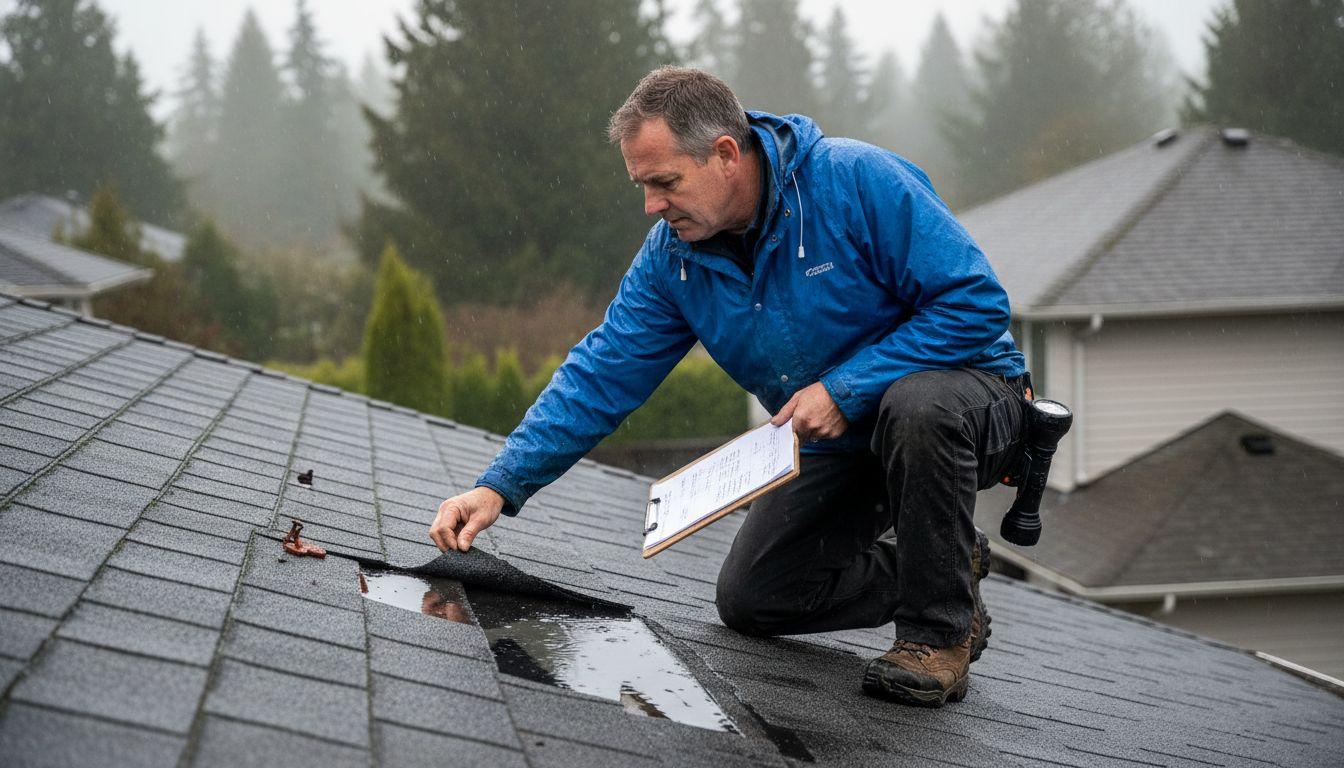
3. Inspect Windows, Exterior Doors, and Nearby Walls
Heavy rain accompanied by strong winds can expose weaknesses around windows and exterior doors.
Wind-driven rain may reach openings and connections that experience less water during ordinary rainfall.
Check for Water Around Window Frames and Sills
Inspect the areas around your windows, including:
- Interior window sills
- Window trim
- Corners of surrounding drywall
- Walls directly beneath windows
- Flooring below window openings
Watch for staining, dampness, peeling paint, or swollen trim.
These changes may indicate water intrusion, but they do not necessarily mean the window itself needs replacement.
The issue could involve flashing, exterior siding connections, seals, or another nearby condition.
Check Damp Trim, Baseboards, and Door Thresholds
Check around exterior doors, especially those exposed to wind and rain.
Look for damp flooring near thresholds, discolored baseboards, or moisture along the lower edges of nearby walls.
If water repeatedly appears in the same location, the underlying cause should be evaluated rather than simply drying the visible surface each time.
4. Look for Moisture in Basements and Lower-Level Rooms
Basements and lower-level living spaces deserve particular attention after prolonged or intense rainfall.
Water may enter through foundation openings, basement windows, exterior access doors, or other pathways.
Look for Standing Water, Damp Flooring, and Foundation-Wall Stains
Check for:
- Standing water or small puddles
- Damp carpeting or flooring
- Moisture near foundation walls
- New stains on lower walls
- Wet or swollen baseboards
- Unusual musty odors
Even when standing water is limited, moisture may have reached surrounding materials.
Why Do Finished Basements Need Extra Attention?
Finished basements often contain drywall, insulation, flooring, trim, and other materials that can be affected by moisture.
Some of these materials may conceal water that is not immediately visible.
For example, a wall may appear relatively dry on the surface while moisture remains in materials behind it.
A visual inspection cannot determine the full extent of hidden damage.
If a finished basement has experienced water intrusion, a qualified professional may need to evaluate affected materials and drying requirements.
5. Pay Attention to Flooring, Baseboards, and Musty Odors
Not all water damage appears as a puddle or a visible leak.
Changes in interior finishes may provide clues that moisture has affected part of the home.
Look for Swelling, Warping, and Changes in Flooring
Look for:
- Wood flooring that begins to cup or buckle
- Laminate flooring with swollen edges
- Carpet that feels unexpectedly damp
- Loose or lifting flooring materials
- Baseboards that appear swollen or separated from the wall
- New discoloration near floor level
These conditions can have different causes, so they should not automatically be attributed to the recent storm.
However, changes that appear after heavy rainfall are worth investigating.
Avoid covering affected areas with new flooring or trim before the moisture source and material conditions have been addressed.
When Can a Musty Smell Signal a Moisture Problem?
A persistent musty smell may indicate that an area has remained damp.
Pay attention to closets along exterior walls, storage spaces, finished basements, and rooms where moisture may have entered.
A musty odor does not confirm that mold is present, but it can be a reason to investigate further.
According to the U.S. Environmental Protection Agency, controlling moisture is essential to preventing mold problems.
If materials remain wet, the source of moisture should be corrected and appropriate drying or remediation may be necessary. 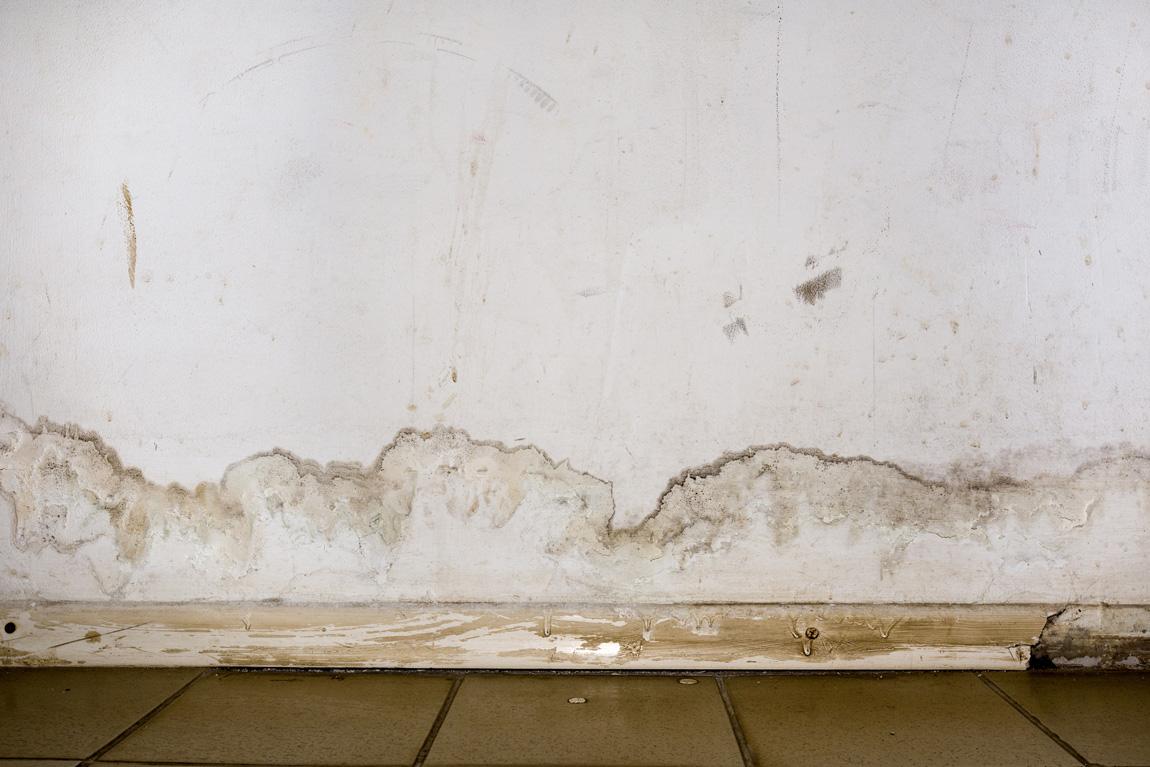
6. What About the Attic? Know When Not to Inspect It Yourself
The attic may contain clues about moisture entering through the roof.
However, attic inspections can involve fall hazards, exposed wiring, damaged framing, and difficult access.
What Signs May Be Visible From a Safe Access Point?
If you have a safe, accessible attic opening, you may be able to observe:
- Discoloration on visible roof sheathing
- Water stains on framing
- Damp insulation near the opening
- Visible dripping
- Unusual moisture-related odors
Do not walk on exposed ceiling drywall, disturb electrical wiring, or move into an area with uncertain footing.
When Should You Leave the Attic Inspection to a Professional?
If the attic is difficult to access, the roof appears damaged, or you suspect structural or electrical hazards, do not attempt to inspect it yourself.
Attic moisture is not always caused by a roof leak.
Condensation and ventilation problems may also contribute to damp conditions.
A qualified professional can help determine what requires further investigation.
7. Use a Post-Storm Interior Checklist
Once conditions are safe, use this checklist to make a basic visual assessment of accessible areas.
Post-Storm Interior Checklist
- Ceilings: New stains, discoloration, bubbling paint, or dripping water
- Upper walls: Damp corners or marks near the ceiling
- Windows: Moisture around frames, sills, and surrounding drywall
- Exterior doors: Damp thresholds, flooring, or nearby baseboards
- Basements: Standing water, wet flooring, or moisture near foundation walls
- Floors: Warping, swelling, lifting, or unexpected dampness
- Baseboards: Swelling, separation, or discoloration
- Closets and storage areas: Unusual musty odors or damp materials
- Attic access: Visible signs of moisture only if the area can be observed safely
- Documentation: Photographs and notes about when each change appeared
Observe and Document
If you notice a change in a safe area, photograph it and note its location.
Pay attention to whether the condition returns or worsens after additional rainfall.
Do not assume a stain is harmless simply because it appears small.
Request a Professional Evaluation When Needed
Seek an appropriate professional evaluation when you find persistent moisture, recurring stains, wet building materials, or possible hidden damage.
An initial visual inspection can identify concerns, but it cannot confirm the source or full extent of water intrusion.
Prioritize Safety
Do not enter areas with possible electrical hazards, unstable ceilings, structural damage, or contaminated floodwater.
If an area appears unsafe, professional assistance should come before further inspection. 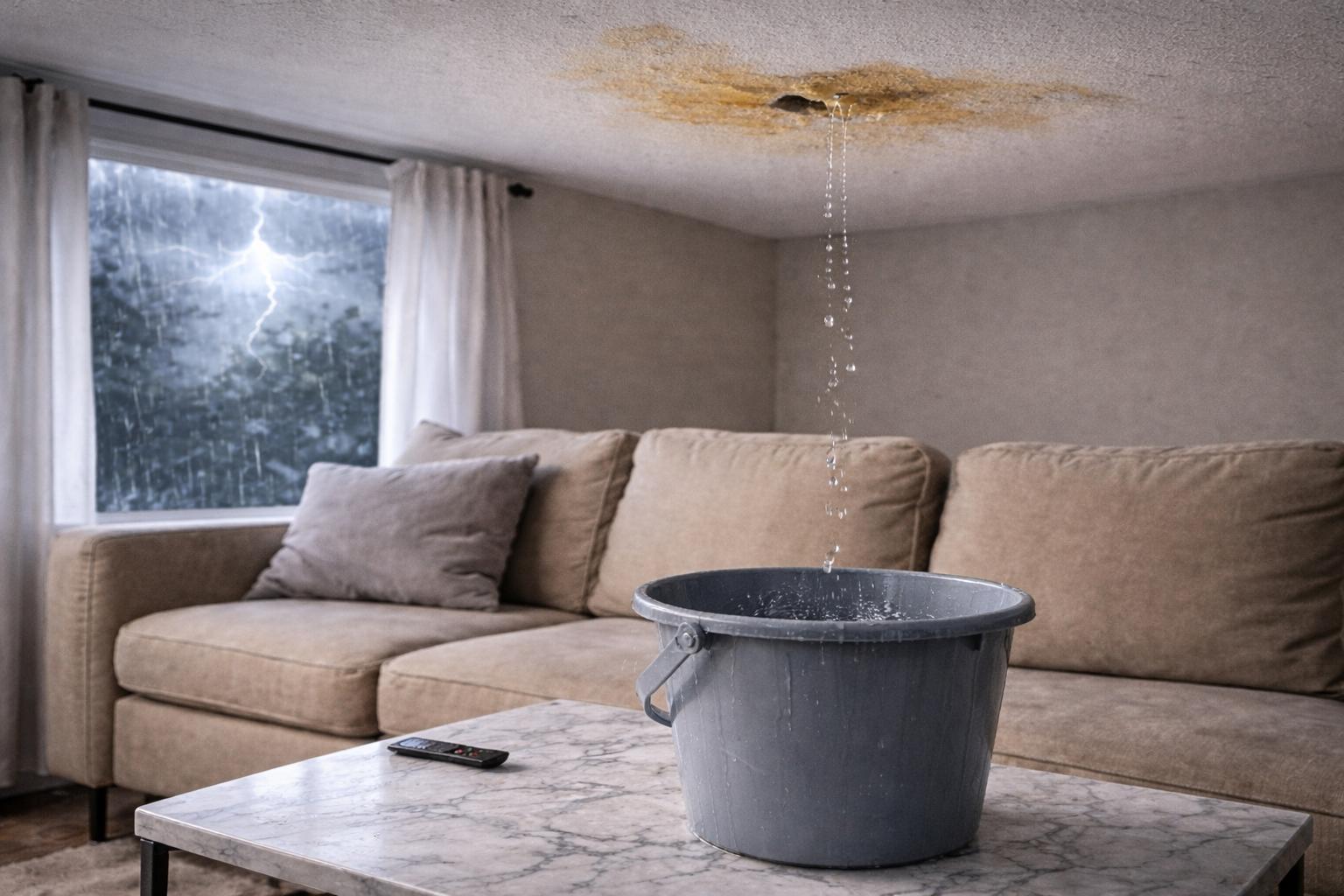
8. What Should You Do If You Discover Water Damage?
Finding moisture or water damage can be stressful, especially when the cause is not immediately clear.
The next steps depend on the severity of the condition, the source of the water, and whether the area is safe.
Photograph the Damage and Keep Records
When it is safe, take clear photographs or videos of the affected areas.
Record when you first noticed the damage and any changes that occur afterward.
If you believe the damage may involve an insurance claim, contact your insurance company for guidance and keep records of communications and necessary protective measures.
The New York State Department of Financial Services provides guidance for homeowners dealing with disaster-related property damage and insurance questions.
Insurance coverage depends on the policy and circumstances. Do not assume that every type of storm-related water damage is covered.
Address the Water Source and Drying Needs
Drying the visible surface may not be enough if water continues entering the home.
The source of moisture should be identified and addressed.
The EPA recommends cleaning and drying wet materials as quickly as possible, ideally within 24–48 hours when it is safe and feasible.
Some materials may require specialized drying, cleaning, or removal depending on their condition and the type of water involved.
Understand When Interior Repairs or Reconstruction May Follow
Water mitigation and interior reconstruction are related, but they are not the same process.
Mitigation focuses on addressing water-related conditions and limiting further damage.
Remediation may also be necessary depending on contamination or mold-related conditions.
Reconstruction involves repairing or replacing affected building materials and finishes once the necessary preceding work has been completed.
Depending on the situation, this may include:
- Replacing damaged drywall
- Restoring affected insulation
- Repairing or replacing flooring
- Installing new baseboards or interior trim
- Preparing and painting repaired surfaces
- Rebuilding other damaged interior areas
The scope of work depends on the actual condition of the property.
Replacing finishes before resolving the moisture problem may lead to recurring damage.
Frequently Asked Questions
Can heavy rain cause water damage even if my roof looks fine?
Yes. Water may enter through flashing, roof penetrations, windows, exterior wall connections, or other openings that are not obvious from the ground.
A roof that looks intact from outside does not rule out water intrusion.
Why did a ceiling stain appear after the rain stopped?
Water can move through framing and building materials before becoming visible on a ceiling.
However, plumbing leaks, condensation, and other moisture sources can also cause stains.
The source should be evaluated rather than assumed.
Can water damage be hidden behind drywall?
Yes.
Moisture may affect insulation, framing, or other materials inside a wall without producing an obvious stain immediately.
When hidden moisture is suspected, professional evaluation may be necessary.
How quickly should wet materials be dried?
The EPA recommends cleaning and drying wet materials as soon as possible, ideally within 24–48 hours when conditions allow.
The appropriate response depends on the materials, contamination, and extent of damage.
Should I repaint a water stain after a storm?
Not before identifying and correcting the source of moisture and confirming that the affected materials are appropriately dry.
Repainting alone does not resolve an ongoing water problem.
Does every water stain mean there is mold?
No.
A water stain does not automatically mean mold is present.
However, persistent moisture can create conditions that support mold growth, so new or recurring stains should not be ignored.
Protecting Your Long Island Home Starts With Knowing What to Look For
After heavy rain and strong winds, checking the inside of your home can be just as important as looking for damage outdoors.
New ceiling stains, damp baseboards, changes in flooring, and unusual odors may be early signs that an area needs further attention.
For homeowners throughout Nassau and Suffolk County, recognizing these warning signs, documenting concerns, and addressing moisture problems promptly can help support better decisions about necessary repairs.
At MERGE Construction Corp., we focus on helping homeowners move forward with interior repairs and reconstruction when damaged areas are ready to be rebuilt.
Understanding the condition of the affected materials and defining a clear scope of work are important steps toward restoring your home.
Better Planning. Fewer Surprises. Stronger Projects.
Sources & Homeowner Resources
- CDC — Reentering Your Flooded Home Safely
- EPA — A Brief Guide to Mold, Moisture and Your Home
- EPA — Mold Cleanup in Your Home
- New York State Department of Financial Services — Disaster and Flood Recovery